
The Best At-Home Yoga Routines for When You’re Stressed
Life can throw a lot at us. Every day, we’ve been struck by work pressures, family matters, health issues, and the stress that comes with them. Sometimes, it may feel like life is a never-ending cycle of trying to keep up with all these demands. But what if you could find peace and calm right in your own home?
Imagine transforming your space into a sanctuary where you can recharge and unwind. At-home routines are not only effective but also incredibly accessible. So, keep reading and discover the most gentle yet powerful practices that will melt away tension and restore your mind and body balance. These routines are designed for anyone, regardless of experience level.
Gentle Morning Flow
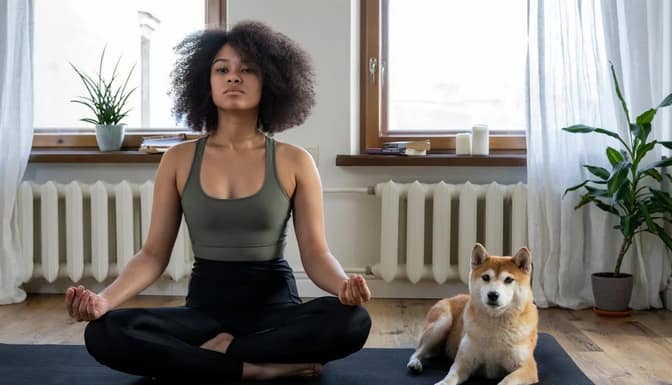
Start your day with a gentle morning flow to awaken both body and mind. This routine is all about moving slowly and intentionally, allowing you to connect with your breath. Begin in a comfortable seated position. Close your eyes and take several deep breaths, feeling the air fill your lungs completely.
Gradually incorporate gentle neck rolls to release any overnight tension. Transition into cat-cow stretches on all fours, harmonizing movement with breath as you arch and round your spine. Follow this by flowing through sun salutations—feel each pose invigorate you while maintaining a mindful pace. As you progress, include side bends and forward folds to open up the sides of your body. Take time at each stage; this isn’t just exercise—it’s an opportunity for reflection and gratitude as you welcome a new day ahead.
Restorative Yin Yoga
Unlike any other, this yoga focuses on giving you a peaceful escape from daily life’s chaos. This gentle practice invites you to slow down and tune into your body’s needs. Each pose is held for several minutes, allowing deep stretches that target connective tissues.
It encourages relaxation and mindfulness, creating space for introspection. As you sink into each posture, focus on your breath. Feel each inhale nourishing you while every exhale releases tension. The stillness can help clear mental fog and bring clarity. This calming practice not only rejuvenates physically but also nurtures emotional well-being, making it a perfect antidote to stress.
Heart-Opening Flow
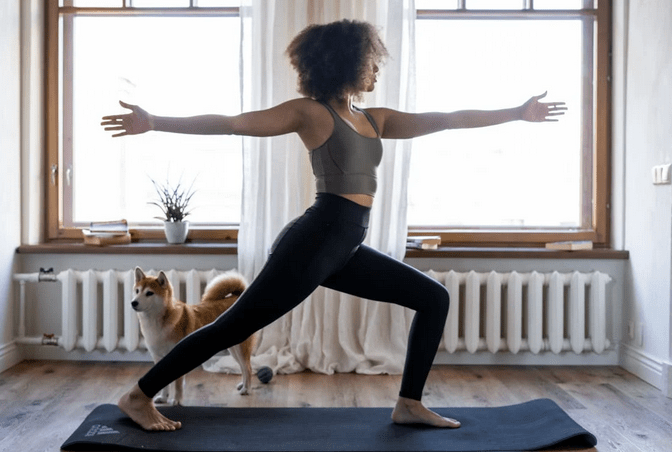
Heart-opening flow is a beautiful way to release tension and invite positivity into your life. This sequence focuses on poses that gently stretch the chest, shoulders, and back. Start with some gentle cat-cow movements. Feel your spine awaken as you alternate between arching and rounding your back.
It’s an excellent way to connect breath with movement. From there, transition into the upward-facing dog or cobra pose. Allow your heart center to expand toward the sky. For better results, add in some lunges combined with cactus arms for a deeper stretch through the front body. As you open up physically, let go of emotional burdens, too.
Bedtime Stretch Sequence
As the day winds down, creating a calming bedtime stretch sequence can work wonders for your mind and body. This is the perfect time to unwind after a long day. Begin with gentle neck rolls. Release tension built up from screens and stress. Follow this with seated forward bends, allowing your spine to elongate while you breathe deeply. Next, incorporate child’s pose; it fosters relaxation and ground you in the moment. Feel the stretch in your back as you sink into this restorative position. Add some supine twists to release lower back tightness. Let gravity do its magic here; simply relax into each twist without forcing it.
Finish off with a legs-up-the-wall pose. This inversion calms your nervous system and encourages blood flow back toward your heart, preparing you for restful sleep ahead. Each movement invites tranquility, guiding you gently towards slumber’s embrace.…


 Choosing the right curriculum is a crucial step in teaching math to a teen with ADHD. The curriculum should be tailored to their specific needs, considering their learning style and attention span. It’s important to find a program that offers clear explanations and visual aids to help them grasp complex concepts. Several effective approaches you can try is using hands-on materials such as manipulatives or interactive software, and incorporating real-world examples and practical applications of math can help make it more relevant and interesting for them.



 Eating spicy foods can also help promote metabolism. Capsaicin, the compound that makes chili peppers hot, has been shown to boost metabolism and help burn fat. Incorporate some spice into your meals by adding chili peppers, cayenne pepper, or jalapenos to your dishes.